How to Reduce Shipping Costs for Bikes: The Definitive Logistical Guide
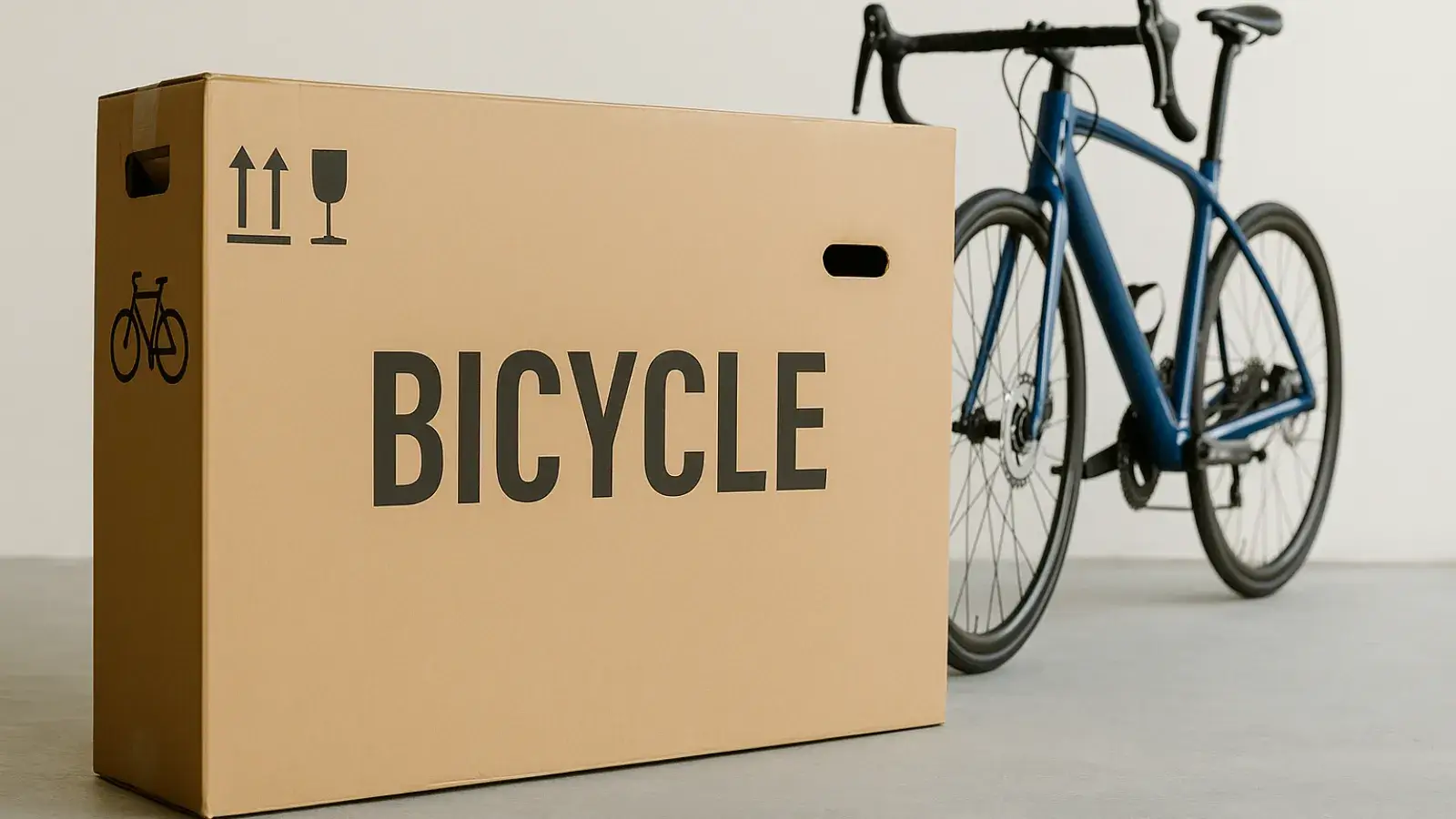
The logistics of transporting a bicycle across domestic or international borders represents one of the most persistent challenges in the sporting goods and e-commerce sectors. Unlike standard rectangular parcels, bicycles are high-volume, low-density items that occupy a disproportionate amount of space in cargo holds and delivery vans. This spatial inefficiency triggers “dimensional weight” pricing—a system where carriers charge based on the size of the box rather than its actual mass. For the individual seller, the traveling athlete, or the scaling retailer, the financial friction of moving a bike can often approach a significant percentage of the asset’s total value.
Historically, the cost of bicycle transport was a secondary concern, largely absorbed by broader logistics margins. However, the post-pandemic surge in cycling demand, coupled with rising fuel surcharges and a consolidation of global carrier networks, has made shipping a primary cost center. The complexity is compounded by the fragility of modern carbon fiber frames and the regulatory hurdles associated with lithium-ion batteries in electric bikes. Consequently, achieving efficiency in this domain requires more than just finding a cheap courier; it demands a forensic understanding of packaging engineering and carrier rate structures.
Reducing these expenditures is not a matter of a single “hack,” but a multi-layered strategic process. It involves a shift from viewing the bicycle as a single unit to viewing it as a collection of components that can be optimized for volume. This article serves as an authoritative dissection of the variables influencing transit costs, offering a systemic framework for those seeking to protect their margins while ensuring the mechanical integrity of the machine remains uncompromised.
Understanding “How to reduce shipping costs for bikes”
The endeavor of learning how to reduce shipping costs for bikes is frequently hindered by a focus on the wrong metrics. Many shippers prioritize the “base rate” provided by national carriers without accounting for the cascading surcharges triggered by box dimensions. A bicycle box that exceeds 130 inches in combined length and girth (a common threshold for major carriers like UPS or FedEx) can trigger “Large Package Surcharges” or “Over Maximum Limit” fees that may exceed the original shipping quote by several hundred percent.
Understanding this dynamic requires a multi-perspective view. From a carrier’s perspective, a bike box is an operational nuisance; it cannot be sorted by automated belts and must be handled manually. From a shipper’s perspective, the goal is to compress the bicycle into the smallest possible “logical volume” without necessitating a professional mechanic for reassembly at the destination. The risk of oversimplification here is high: many believe that a smaller box always equals a lower price, but if that smaller box requires removing the fork and hydraulic brake lines, the cost of professional labor for reassembly might negate any shipping savings.
True optimization lies in the “Goldilocks Zone” of disassembly. This is the point where the box size stays just below the carrier’s major surcharge thresholds while the mechanical work required remains within the user’s capability. Managing this requires a granular knowledge of the specific “oversize” triggers for each regional hub and an appreciation for how different bike geometries—such as long-wheelbase mountain bikes versus compact road bikes—interact with standard cardboard dimensions.
Contextual Background: The Rise of Dimensional Pricing
In the early era of parcel shipping, weight was the primary determinant of cost. As e-commerce expanded, carriers realized that light, bulky items were filling their aircraft and trucks before the weight capacity was reached, leading to lost revenue. This birthed Dimensional Weight (DIM). For bicycles, this was a paradigm shift.
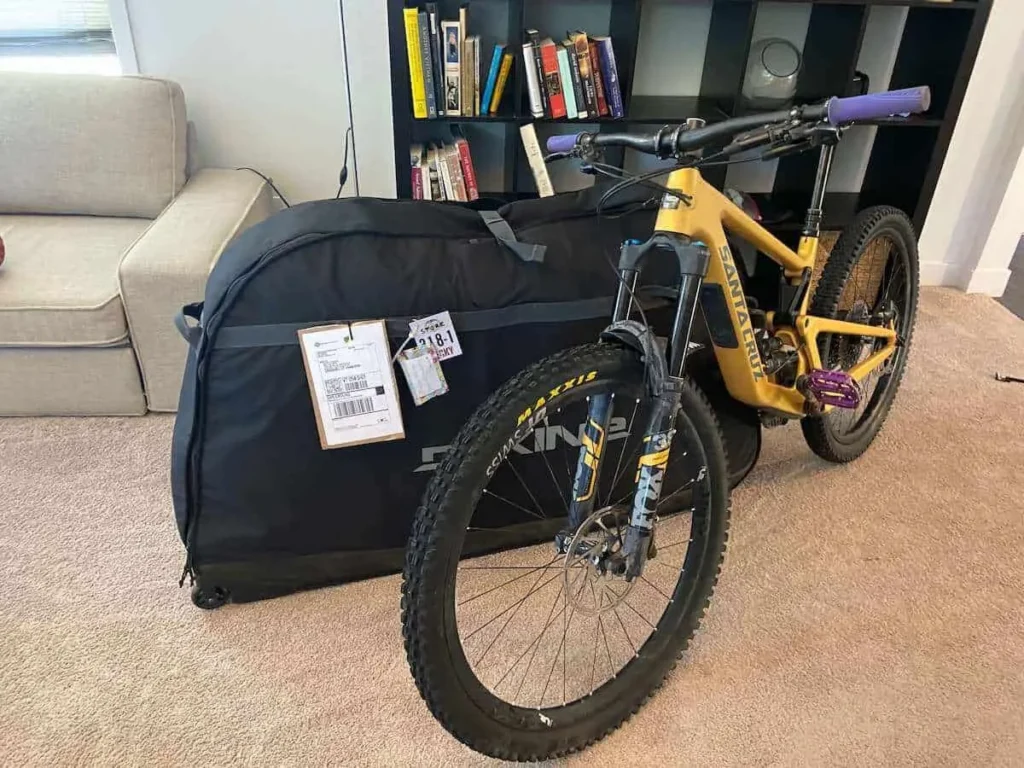
A standard road bike might weigh only 18 pounds, but when placed in a traditional shipping carton, it is often billed at a “dim weight” of 70 to 90 pounds. This systemic evolution has forced the cycling industry to innovate in packaging. We have seen a move from the “whole bike” shipping model to “split-frame” or “modular” shipping, where the bicycle is disassembled more aggressively to fit into boxes that avoid the dreaded “Overlength” or “Oversize” designations.
Conceptual Frameworks for Logistical Optimization
To master bicycle logistics, one should apply specific mental models that prioritize long-term value over short-term savings.
1. The Volumetric Threshold Model
Think of carrier pricing not as a slope, but as a series of cliffs. If your box is 108 inches in length plus girth, you are on a plateau. At 108.1 inches, you fall off a financial cliff into a new pricing tier. Strategic shipping is the art of staying as close to the edge of the plateau as possible without falling over.
2. The Labor-to-Logistics Ratio (LLR)
Every dollar saved in shipping by disassembling the bike further incurs a “labor cost” (either your time or a mechanic’s fee). A high LLR suggests you are over-disassembling for marginal gains. An ideal LLR balances shipping savings against the risk of mechanical error during reassembly.
3. The “Last Mile” Protection Principle
The most expensive part of shipping a bike is not the transit; it is the damage that occurs in the last mile of delivery. Reducing costs is a failure if it involves using thinner cardboard or less padding, leading to a carbon frame fracture. True cost reduction must include the “cost of failure.”
Key Categories of Transport and Trade-offs
The method of transport dictates the available levers for cost reduction. Each category presents unique trade-offs.
| Method | Primary Cost Driver | Benefit | Major Drawback |
| National Parcel (UPS/FedEx) | Dimensions (DIM Weight) | Speed and Tracking | Aggressive Oversize Fees |
| Specialized Bike Shippers | Zone-based Flat Rates | Negotiated Bulk Rates | Longer Lead Times |
| LTL Freight (Palletized) | Class and Weight | Extremely Safe | Requires Loading Dock Access |
| Airline Excess Baggage | Flat Fee per Bag | Fastest (Travels with you) | Heavy Physical Handling |
| Consolidated Peer-to-Peer | Space Availability | Often the Cheapest | High Uncertainty/No Tracking |
Decision Logic: Parcel vs. Specialized
For a standard road bike, a specialized service (which aggregates volume to negotiate lower rates) is almost always cheaper than a personal account at a national carrier. However, for a heavy e-bike, LTL (Less Than Truckload) freight on a pallet may be the only way to avoid “hazardous materials” fees for the battery while keeping the frame secure.
Real-World Scenarios and Decision Logic
Scenario A: The Private Seller (eBay/Pinkbike)
A user is selling a mountain bike for $3,000.
-
Constraint: Buyer expects shipping to be under $150.
-
Failure Mode: Using a standard LBS (Local Bike Shop) box without checking dimensions, resulting in a $450 bill at the counter.
-
Optimal Logic: Use a specialized bike shipping broker and spend 30 minutes extra removing the handlebars and rear derailleur to fit into a “Small” bike box.
Scenario B: The International Pro Relocation
An athlete is moving from the US to Europe with three bikes.
-
Constraint: Airfare is already paid; high risk of customs duties.
-
Decision Point: Ship via ocean freight or pay for airline bike boxes?
-
Second-Order Effect: Airline fees are $200 per bike, but ocean freight requires a customs broker ($500+). For three bikes, the airline is cheaper and faster.
Resource Dynamics: The Hidden Costs of Savings
Reducing shipping costs is an exercise in resource allocation. You are trading time and materials for lower carrier invoices.
Estimated Cost Comparison (Domestic US)
| Component | DIY Approach | Professional Pack |
| Packing Material | $20 (Used box/bubble wrap) | $50 (New heavy-duty box) |
| Labor (Time) | 2 Hours ($0 out of pocket) | $100 (Shop fee) |
| Shipping Rate | $180 – $250 | $120 – $160 (Pro volume rates) |
| Total Estimated Outlay | $200 – $270 | $270 – $310 |
Note that the “DIY” approach has a higher shipping rate because individuals rarely have access to the “tier one” volume discounts that shops or specialized brokers possess.
Tools and Strategies for Cost Mitigation
-
Specialized Shipping Brokers: Companies that purchase shipping in bulk and pass the savings to cyclists are the single most effective tool for individuals.
-
The “Handlebar-Off” Technique: By rotating or removing the handlebars and taping them to the fork, you can narrow the box profile by 4–6 inches, often dropping the box into a lower price bracket.
-
Component Consolidation: Remove the wheels and place them in a separate, smaller “wheel box” if the main box is triggering “Oversize 3” rates. Sometimes two small boxes are cheaper than one massive one.
-
Airless Tires/deflation: While it doesn’t change dimensions, many airlines require tires to be deflated to prevent bursting in unpressurized holds, avoiding potential baggage “incident” fees.
-
Reusable Flight Cases: While the initial investment is high ($500+), for frequent travelers, the “cost per trip” drops significantly after 3–4 uses compared to buying $50 cardboard boxes each time.
-
E-Bike Battery Grounding: If shipping an e-bike, ship the battery separately via ground freight. Air shipping a battery is prohibitively expensive due to “Dangerous Goods” certifications.
Risk Landscape: The Cost of Damage and Insurance
The cheapest shipping method becomes the most expensive the moment a derailleur hanger is bent or a frame is cracked.
Taxonomy of Shipping Risks:
-
Compression Damage: Occurs when boxes are stacked. Avoided by using “crush pillars” (PVC pipe or cardboard stays) inside the box.
-
Abrasive Damage: Parts rubbing together during transit. Avoided by using closed-cell foam, not just bubble wrap.
-
Insurance Gaps: Carriers often limit liability to $100 unless “declared value” is paid. However, declared value is a fee, not true insurance. Using third-party shipping insurance is often 50% cheaper than carrier-provided coverage.
Governance: Long-Term Logistical Adaptation
For bike shops or manufacturers, shipping is a process that must be governed. This involves:
-
Box Standardization: Using only 2–3 specific box sizes to make shipping quotes predictable.
-
Rate Auditing: Weekly checks of carrier invoices to ensure “residential delivery surcharges” were not applied to commercial addresses.
-
Packaging Testing: Periodically “drop testing” a packed bike to ensure the internal bracing is sufficient.
Measurement and Evaluation of Shipping Performance
Success in reducing costs is measured by the Shipping-to-Value Ratio (SVR).
An SVR above 15% for domestic shipping suggests a failure in logistical strategy. For international shipping, an SVR up to 25% is often the reality of modern customs and fuel costs.
Qualitative Signals:
-
Unboxing Experience: If the recipient needs a torque wrench and two hours to reassemble, you’ve over-disassembled.
-
Claims Frequency: If more than 2% of shipments result in damage claims, your “cost reduction” is being paid for in damaged reputation and replacement parts.
Common Misconceptions and Oversimplifications
-
Myth: “Weight is the main cost factor.”
-
Correction: For bikes, size (dimensions) is almost always the primary cost driver. A 20lb bike in a huge box costs more than a 40lb bike in a tight box.
-
-
Myth: “The post office is the cheapest.”
-
Correction: USPS has strict size limits. Once you exceed them, they are often the most expensive or will simply refuse the package.
-
-
Myth: “Original manufacturer boxes are the best.”
-
Correction: These are designed for palletized shipping in bulk. They are often too thin for individual parcel “rough handling.”
-
-
Myth: “I don’t need to remove the pedals.”
-
Correction: Pedals are the #1 cause of boxes being punctured from the inside out. Removing them saves width and prevents damage.
-
Synthesis and Editorial Judgment
The path to knowing how to reduce shipping costs for bikes is paved with precision. It is an analytical challenge that rewards those who are willing to measure twice and pack once. The logistics industry is moving toward a future of even tighter dimensional scrutiny, meaning the “standard” bike box is increasingly a relic of a cheaper era.
Ultimately, the most effective way to save money is to minimize the “empty air” being shipped. By mastering the mechanical skills required for safe disassembly and leveraging the volume discounts of specialized brokers, shippers can navigate the rising costs of global transit. Shipping a bike shouldn’t be a financial burden that prevents the machine from reaching its destination; it should be a calculated, manageable overhead in the life cycle of the bicycle.